Start with the fixed facts
Before discussing lapels or colors, gather the wedding date, venue, dress code, ceremony time, and any travel dates. These facts determine the practical schedule and help the tailor select appropriate cloth and formality.
- Wedding date and city
- Indoor, outdoor, or mixed venue
- Ceremony and reception time
- Invitation dress code
- Wedding palette and partner’s attire
- Number and location of groomsmen
Allow time for design and cloth selection
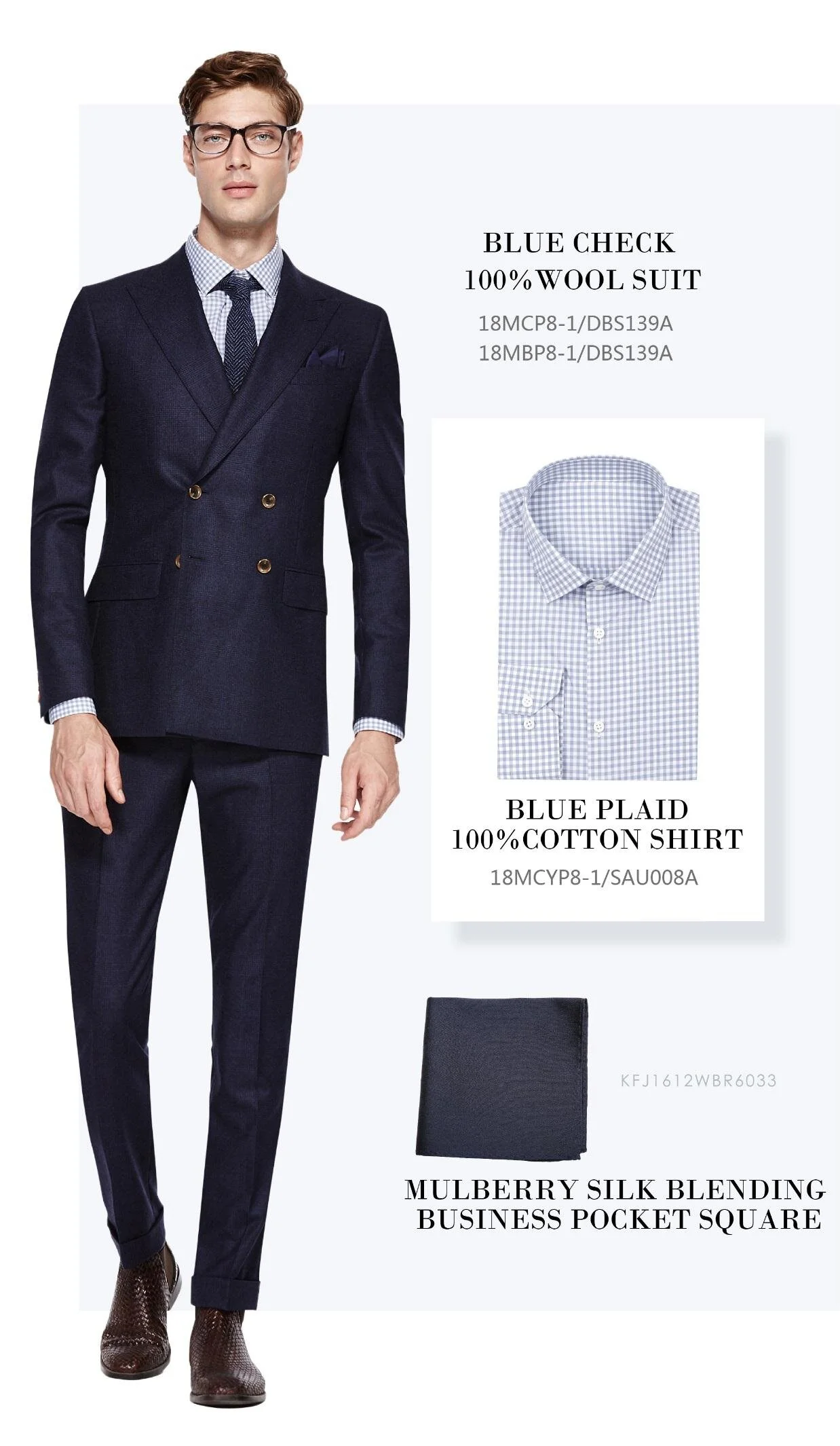
A rushed design often becomes a familiar navy suit because there is no time to consider alternatives. Starting early creates room to review seasonal cloth, decide how formal the look should be, and coordinate the groom without making the wedding party feel overly matched.
Protect time for fittings
Production is not the final step. The garment must be tried on with the intended shirt, shoes, and relevant accessories. Collar contact, shoulder, sleeve, trouser length, and overall balance are assessed in person, and refinements may require additional time.
Plan the final week
Do not leave the first complete try-on until the last days before the wedding. The final week should be reserved for collection, a calm confirmation of the complete look, and packing or pressing preparation if travel is involved.
Contact Akram Hanna with your date to receive a timeline based on the actual garment and current atelier schedule.
Frequently asked
Can a custom wedding suit be rushed?
Rush feasibility depends on cloth, construction, fitting needs, and current workload. Call with the exact wedding date before assuming a rush order is possible.
When should groomsmen be measured?
Coordinate the group early enough to account for different schedules, locations, and possible fit refinements. The atelier can advise after the party size and date are known.
Should I bring my wedding shoes to the fitting?
Yes. Shoe height and shape affect trouser length and the final visual balance.